What to Do When a Fallen Tree Blocks Your Driveway
@georgiatreenotes
November 17, 2026 · 6 min read
Assess the situation before you act
When a tree comes down across your driveway after a storm, the first instinct is to grab a chainsaw and start clearing. That impulse can lead to injury or worse. Before you do anything, take a moment to look at the whole scene. High winds often leave other hazards behind: a split trunk, a hanging limb still caught in the canopy, or debris that has damaged your home's roof. A blocked driveway is frustrating, but rushing into cleanup without a plan can turn a bad day into a dangerous one.
Check for immediate dangers
The most serious risk after a storm is a downed power line. If a fallen tree has brought a line down or is touching one, stay at least thirty feet away. Do not touch the tree, the line, or anything near it. Water on the ground can conduct electricity, so keep your distance even if the line looks dead. Call the utility company first. Only after they confirm the area is safe should you proceed with fallen tree removal.
Next, look at the tree itself. A tree that has snapped near the base may still have a large portion of the trunk under tension. A split trunk can shift without warning. A hanging limb that did not fall completely can drop later, especially if you disturb the tree. These are signs that the job may be too risky for a homeowner to handle alone. In such cases, it is wise to call a professional tree service that specializes in storm response.
Clear a path for vehicles
If the tree is small and you are certain there are no power lines or structural hazards involved, you can begin clearing the driveway yourself. Start by removing loose branches and debris that are easy to lift. Work from the outer edges inward. This creates room to move larger sections later. Keep a clear path to your vehicle or garage so you can get in and out if needed.
For larger limbs or sections of the trunk, you may need a chainsaw. If you are comfortable using one, always wear protective gear: gloves, safety glasses, hearing protection, and sturdy boots. Never cut a branch that is under tension, such as one bent over or pinned under another log. Tension can release suddenly and cause the saw to kick back or the branch to snap toward you. If you are unsure about the tension in any part of the tree, leave that piece for a professional.
Consider the damage beyond the driveway
A fallen tree rarely damages only the driveway. Roof impact is common when a large limb or the whole tree lands on a house. If you see shingles displaced, a sagging roofline, or cracked siding, those need attention too. Water can enter quickly through even a small gap, so covering the damaged area with a tarp is a good temporary fix. But do not climb onto a roof to do that if the tree is still resting on it. The weight and movement of the tree can make the roof unstable. Wait for a professional to assess both the tree and the structure.
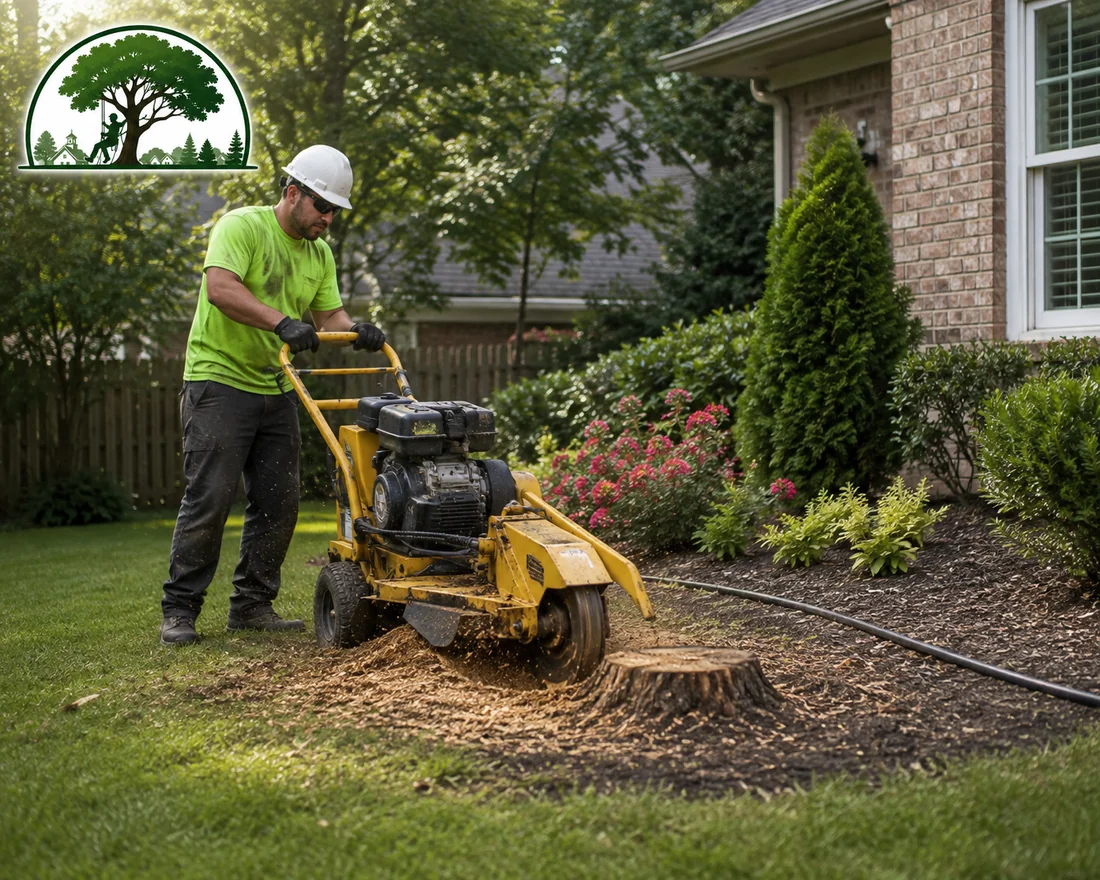
Site stabilization is another concern. When a tree uproots, it leaves a large hole and disturbed soil. That area may be soft or uneven, which can affect the driveway surface or the foundation of nearby structures. After the tree is removed, you might need to fill the hole, compact the soil, and address any drainage issues. A reputable tree service can handle that part of the job as part of the overall cleanup for fallen yard trees.
When to call in the pros
Some situations clearly call for expert help. If the tree is large, if it is leaning against your house or a neighbor's house, if it is tangled with power or cable lines, or if the storm has left multiple trees down across the property, it is time to call a professional. A local tree care service has the equipment, experience, and insurance to handle complex removals safely. They can also help with stump grinding and debris removal once the main tree is gone.
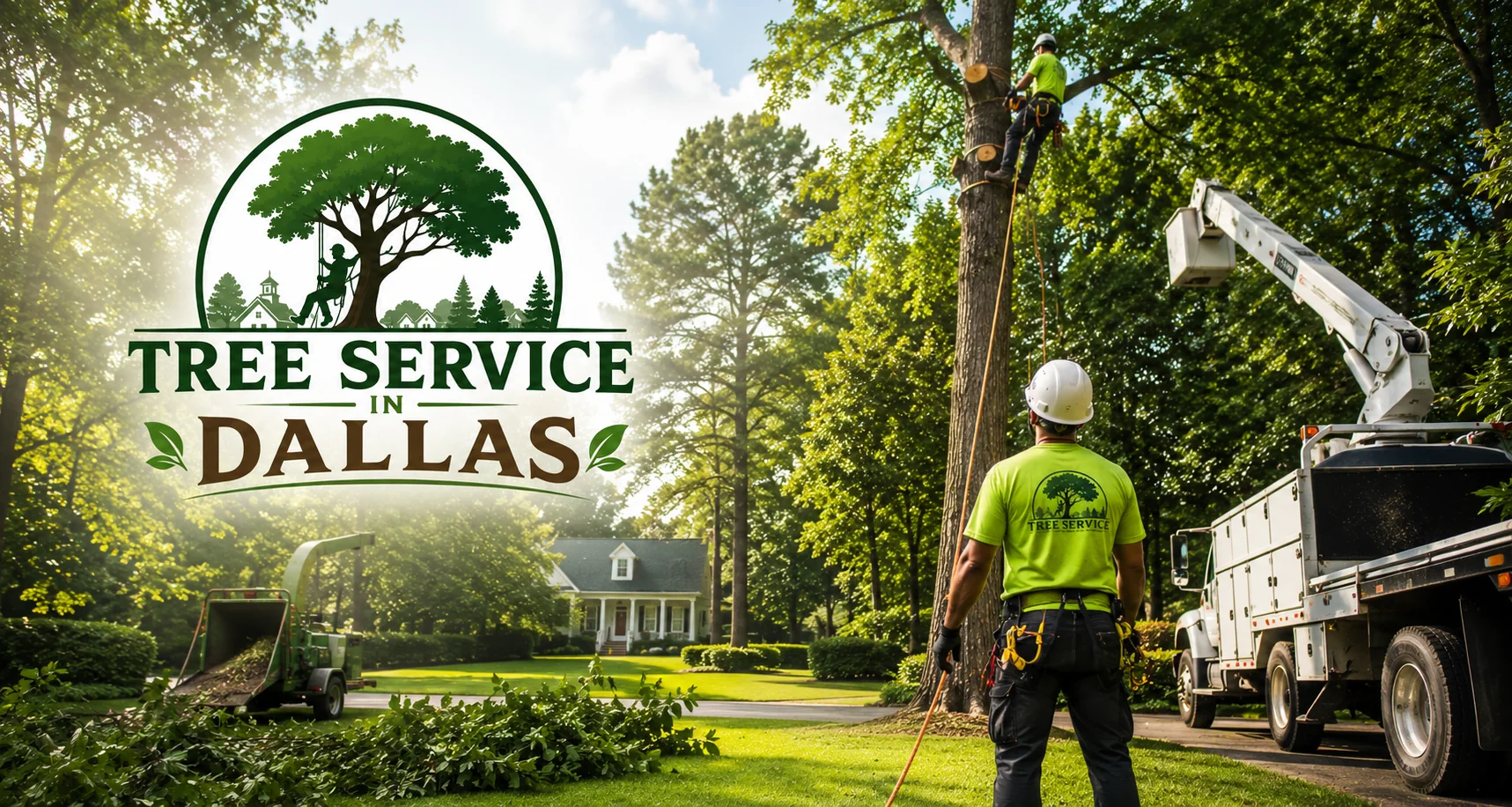
Another scenario that demands professional attention is when the tree has a split trunk or a hanging limb that is still attached high up. Those parts can fall without warning, especially when the tree is moved or cut. A trained arborist knows how to rig ropes and use equipment to bring those pieces down safely. They can also assess whether the remaining part of the tree is stable or if it needs to be removed entirely.
Work methodically and stay safe
If you decide to handle the cleanup yourself, work in stages. First, remove all loose debris from the driveway. Then, cut the trunk into manageable sections, starting from the top of the fallen tree and working your way down. Keep children and pets indoors or at a safe distance. Do not use a chainsaw above shoulder height, and never cut with the tip of the bar. Make sure your saw is sharp and well-maintained; a dull saw is more dangerous than a sharp one because it requires more force and can bind.
Stack the cut wood neatly off to the side of the driveway so that vehicles can pass. If you plan to keep the wood for firewood, split it soon after cutting to speed up drying. Otherwise, arrange for debris pickup or haul it away yourself. Many communities have special collection days after severe storms, so check with your local waste management service.
Plan for the aftermath
Once the driveway is clear, take stock of the rest of the property. A single fallen tree may have damaged fences, sheds, or landscaping. Cleanup for fallen yard trees often includes removing smaller branches and debris scattered across the yard. Raking up twigs and leaves helps prevent rot and keeps the lawn healthy. If the tree was a favorite shade tree or a specimen plant, you may want to consider planting a replacement. Choose a species that is well-suited to your local climate and soil conditions, and one that is less likely to suffer storm damage in the future.
Finally, review your homeowner's insurance policy. Many policies cover the cost of tree removal if the tree has damaged a covered structure like your house, garage, or driveway. They may also cover debris removal. Keep receipts and take photos of the damage before you start any work. If you hire a professional, get a written estimate and confirm that they are licensed and insured. That way, you can file a claim and get reimbursed for at least part of the expense.
Severe weather can happen at any time, and a blocked driveway is one of the most immediate problems it creates. With a calm head and a careful approach, you can get back on the road safely. Whether you do the work yourself or call in help, the key is to prioritize safety over speed. A few extra minutes of planning can prevent a minor storm from turning into a major injury.